- February 15, 2026
- admini
- 0
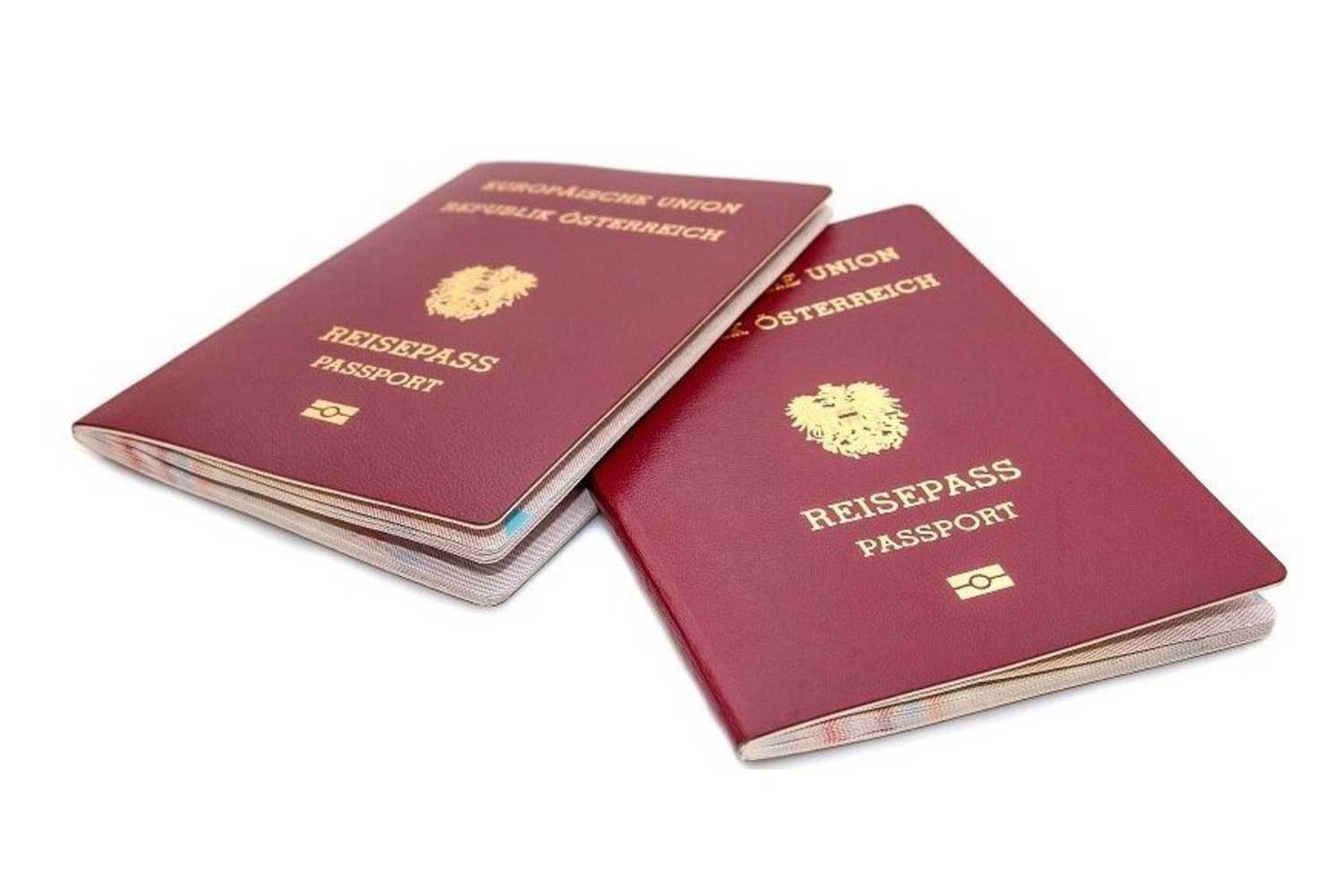
– Albanian immigrants who have worked with insurance in the Greek state and meet the established criteria can benefit from a pension from Greece. According to the Greek law on social security, at the moment the immigrant is insured and has 6 thousand ensima, which corresponds to 20 years of work, or 4500 ensima, converted into 15 years of work, he will receive the national pension. Respectively for 20 years of work he is entitled to 384 euros per month, while for 15 years of work he will receive a pension payment of 345 euros per month plus the pension corresponding to the contributions he has paid.
Conditions
As long as a person is in the labor market and pays contributions, he and the employer or only he, if he is self-employed, on the basis of these conditions, i.e. 67 years old or 62 years old with 40 years of work with insurance and 20 or 15 years minimum, he will receive a pension like anyone who works in Greece and pays social security. In conditions where the individual has less than 4 thousand ensim, this period of work with contributions is not calculated in the national pension, but it does not mean that he cannot benefit from a pension. In these cases, the immigrant will receive the Uninsured Old Age Compensation, after reaching 67 years of age and the value of this compensation will be 350 euros.
As long as he does not meet the condition for 15 or 20 years, the legislation offers the possibility of receiving this Uninsured Old Age Compensation, which the system offers to those who are over 67 years of age.
Non-return of money
According to Greek experts, the Greek social security system does not return the money that an individual has paid for social security voluntarily. “The Greek social security system, I believe, is the only system in Europe that does not return the money if you do not meet the minimum conditions. That is, if you are in another country, in Sweden, in Norway, in Germany or in France and the law says that you must be 15 years old and you are 10 years old, the money that you have paid for 10 years, the system will return to you. Here in Greece this is not done, at least until today. And perhaps the legislator decides to compensate for this deficiency by providing this compensation for the Uninsured Elderly”, – emphasizes Savvas Robolis, professor of economics at Panteion University, one of the best experts on social security in Greece. Meanwhile, all persons who have worked with contributions in Greece, but have returned to Albania, can claim a pension and will receive the amount corresponding to the contributions that he and his employer paid while working in the Hellenic state. If he does not receive a pension from Albania, then from the host country, that is, Greece, he will receive both the pension that he is entitled to based on the contributions he has paid, but also the national pension that is financed from the budget of the host country. So, a person who lives in Albania and receives a pension from Albania will receive the pension from Greece for the years of insurance that correspond to him and not the national pension. In case he lives in Greece and does not receive a pension from Albania, he will also receive the national pension. “If you receive a pension from the state, in the other country where you are an immigrant, you will only receive the pension that corresponds to you based on the insurance contribution and the salary that you and your employer have declared. That is, you cannot receive two national pensions, from two state budgets,” says Robolis.
Puna në të zezë
Emigrantët shqiptarë duhet të kërkojnë punën e deklaruar dhe me siguracion dhe jo punën e padeklaruar dhe pa siguracion, siç ndodh jo rrallë pas vitit 2010 dhe krizës që pasoi. Elementi i dytë që duhet të kërkojnë në mënyrë kolektive, është që të ushtrojnë trysni ndaj të dy vendeve që të avancojnë në fillimin e bisedimeve për nënshkrimin e një marrëveshjeje ndërshtetërore për sigurimet shoqërore. “Kemi tani edhe përfaqësuesit e kreditorëve, diskutimet që po bëhen për reduktimin e mëtejshëm të pensioneve pas 1 janarit 2019. Në këtë studim ne tregojmë se nuk është e nevojshme që të reduktohen pensionet nga 1 janari 2019. Nuk krijojnë problem as për jetëgjatësinë e sistemit deri në 2070, domethënë nuk i krijojnë deficite sistemit. Me ligjet që u votuan jo vetëm në Greqi, por edhe në vende të tjerë, në shpenzimet për pensionet kanë vënë një tavan nga BE që mos të kalojë 16% të prodhimit të përgjithshëm të brendshëm. Këto shpenzime në Greqi në 2070 do të jenë 10,6%, që në raport me 2016-ën ka një diferencë shumë të madhe. Mesatarja e BE-së duket se do të jetë (në 2070) 11,4%. Do të thotë që vendimi dhe strategjia politike është që shpenzimet për pensionet t’i mbajnë të ulëta, por nga ana tjetër ulen edhe pensionet. Për Greqinë kemi parë që deri në 2050, 2060, pensioni mesatar, kryesor dhe suplementar së bashku, do të jetë 900 euro. Në vendet e tjerë të Europës do të jetë analog dhe në varësi të nivelit të jetesës, inflacionit etj.”, – thekson Robolis.